


Hello everyone,
As we approach the end of summer, I’ve been reflecting on what this has all taught me — my real estate investment & development career, living in various cities and traveling extensively, and dozens of conversations with the people building the most enduring hospitality businesses in the world.
Today’s letter is the result: The Stanza’s house view on what creates generational value in luxury hospitality. This essay will also appear in Thesis Driven’s print magazine, which will be sent to over 3,000 family offices, funds and operating companies this fall. Long-time readers of The Stanza will recognize the threads (and the title of this essay, which I’ve used in the past), but this is the first time I’ve pulled them all into one cohesive argument.
As always, I welcome a discussion. Feel free to reply to this email with your thoughts.
Best,
Nadine
PS: Applications for the Associate Producer role close on 28 August. If you know someone who is professional, precise, takes pride in their work, and has a natural talent for storytelling, I’d love to hear from them!
The Business of Emotions
The Stanza’s Thesis on Generational Value Creation in Luxury Hospitality
Luxury hospitality is the darling of the consumer world these days, and for good reason. The pandemic made us appreciate and savor the ability to travel; the overexposure and exorbitant price inflation of luxury goods led us to believe that experiences are more valuable than material possessions; and record low interest rates in 2021 financed many of the hotels opening today. Add the number of new millionaires and the older wealth now passing to younger generations who already prioritize travel, and the macro tailwinds make hospitality investments particularly compelling.
But tailwinds are borrowed conditions. When consumer sentiment moves on, the hotels that exist because money was cheap and travel was fashionable will discover that neither of those things underwrote anything durable. A smaller number will be untouched, and the difference between them has almost nothing to do with market timing. It comes down to what a hotel actually is once the macro case for it disappears: a building full of people, looking after other people. The humanity of the business is the part that doesn’t cycle, and it is the hardest to build, slowest to manifest, and the easiest to lose.
For investors looking to create generational value, the hotels that will still matter in a hundred years require irreplaceable real estate, patient capital, and a commitment to creating an excellent guest experience — and the three are not independent variables. The first two conditions are necessary but not sufficient. The third is what separates them, and it cannot be bought or delegated. It requires an owner in the business of looking after people, rather than being seen to own a hotel.
The most durable ultra-luxury hospitality businesses in the world are not durable only because of their brand, or their service manuals. The foundation for durability is occupying land that cannot be replicated: not difficult to replicate, but genuinely and permanently irreplaceable. The bounds are narrower than the phrase suggests. It means a physical moat — privileged sea or mountain access, historic or cultural relevance, an aspect that cannot be duplicated. It means trophy markets where developable land is highly limited or doesn’t exist. It means assets that could not be built again today under current regulation, or that carry a history no capital can manufacture.
Owners who understand this treat the asset accordingly. Evan Kwee, third generation of Singapore’s Pontiac Land Group and owner of Capella and Patina Hotels, describes both of his family’s flagships in these terms: “We restored two 1880s colonial buildings at Tanah Merah as the heart of the resort, because the history embedded in those buildings can’t be recreated at any price. We applied the same philosophy with Capella Sydney, spending seven years to restore a single heritage sandstone building that used to be the Department of Education dating back to 1912.” Seven years is longer than most private equity hold periods, spent on one address.
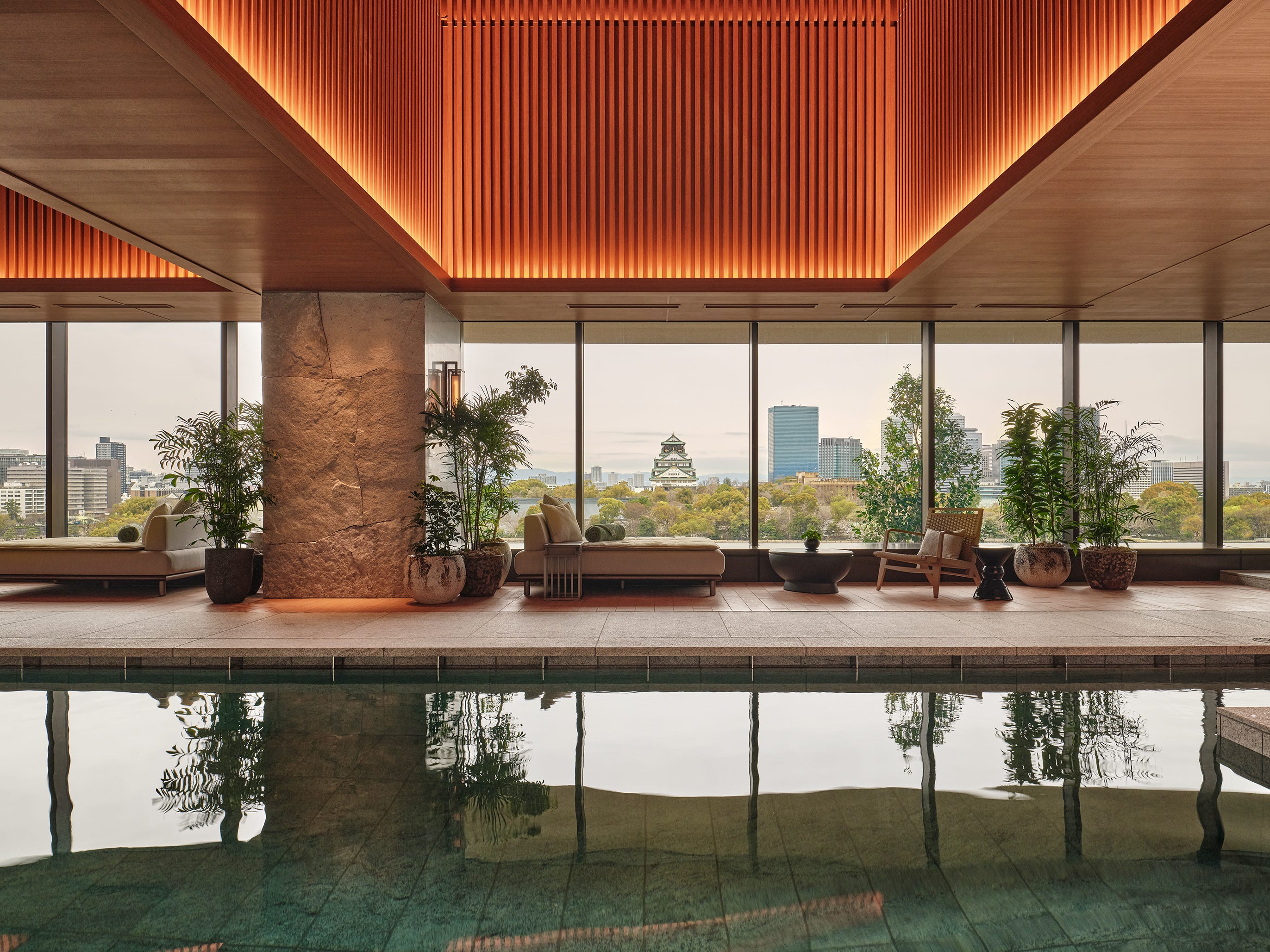
Patient capital is usually understood as capital without the pressure of a liquidity event. In hospitality, I’d define it more actively: capital willing to fund the things that return nothing this year, and compound for decades after.
Tommaso Pacini, second generation of La Bottega Collective, which curates the guest experience at many of the world’s best hotels, sees the difference in what owners ask for. “This is not necessarily a question of spending more. It is often more about time and conviction.” Conviction of that kind is a function of horizon. It requires an owner who will still hold the asset by the time those decisions compound into something visible.
“They are not asking what is standard, what is quickest or what can be replicated across another hundred properties. They ask: ‘What belongs here? What will still feel relevant in twenty years? What will our guests remember?’...This is patient investment: committing time and attention to something that may never dominate the room, but will shape how the entire experience is remembered.”
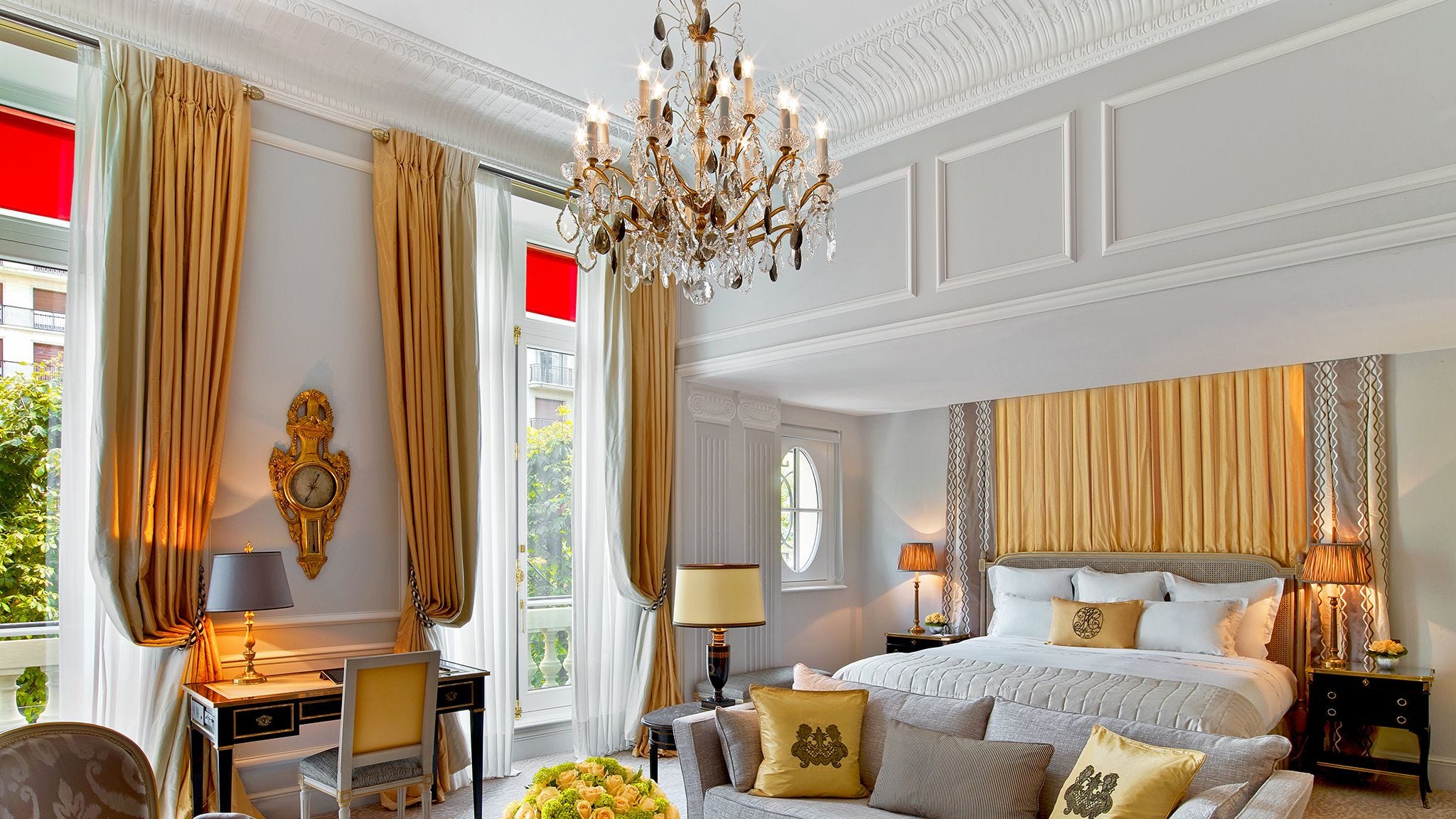
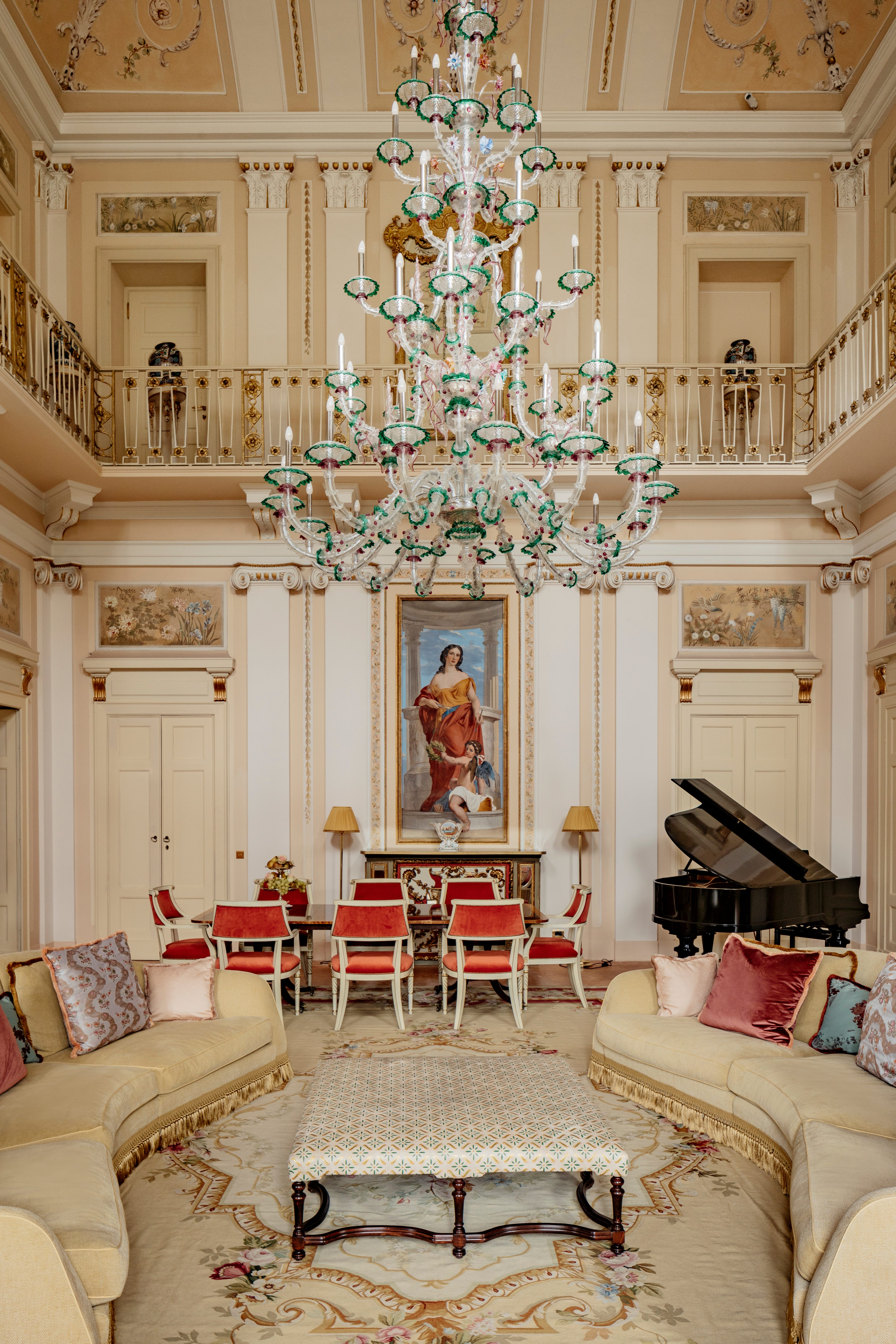
The other defining feature of patient capital is what happens to the profits. In lieu of distributions, they go back into the hotel. Valentina De Santis is the third generation of the family behind Grand Hotel Tremezzo and Passalacqua, two of the most studied properties in European luxury hospitality. At the close of every season, the family undertakes a new capex project — the wellness facilities, a new F&B concept, the rooms, the historic details carefully restored.
“We are not owners of our properties; we are their caretakers. Our responsibility is to pass these treasures on to the next generations with even greater relevance and beauty than when they came into our care.”
With no outside investors to distribute to, the question at the end of each season is not whether to reinvest but where. Compounded across fifty years, the patient capital discipline not only preserves the asset, but also improves it.
The third condition cannot be acquired. It comes down to whether ownership is doing hotels or doing hospitality: earning a yield and satisfying the desire to own a hotel, or genuinely caring that every guest’s stay is special and going the extra mile when they don’t have to. That is a matter of culture, which is set from the top.
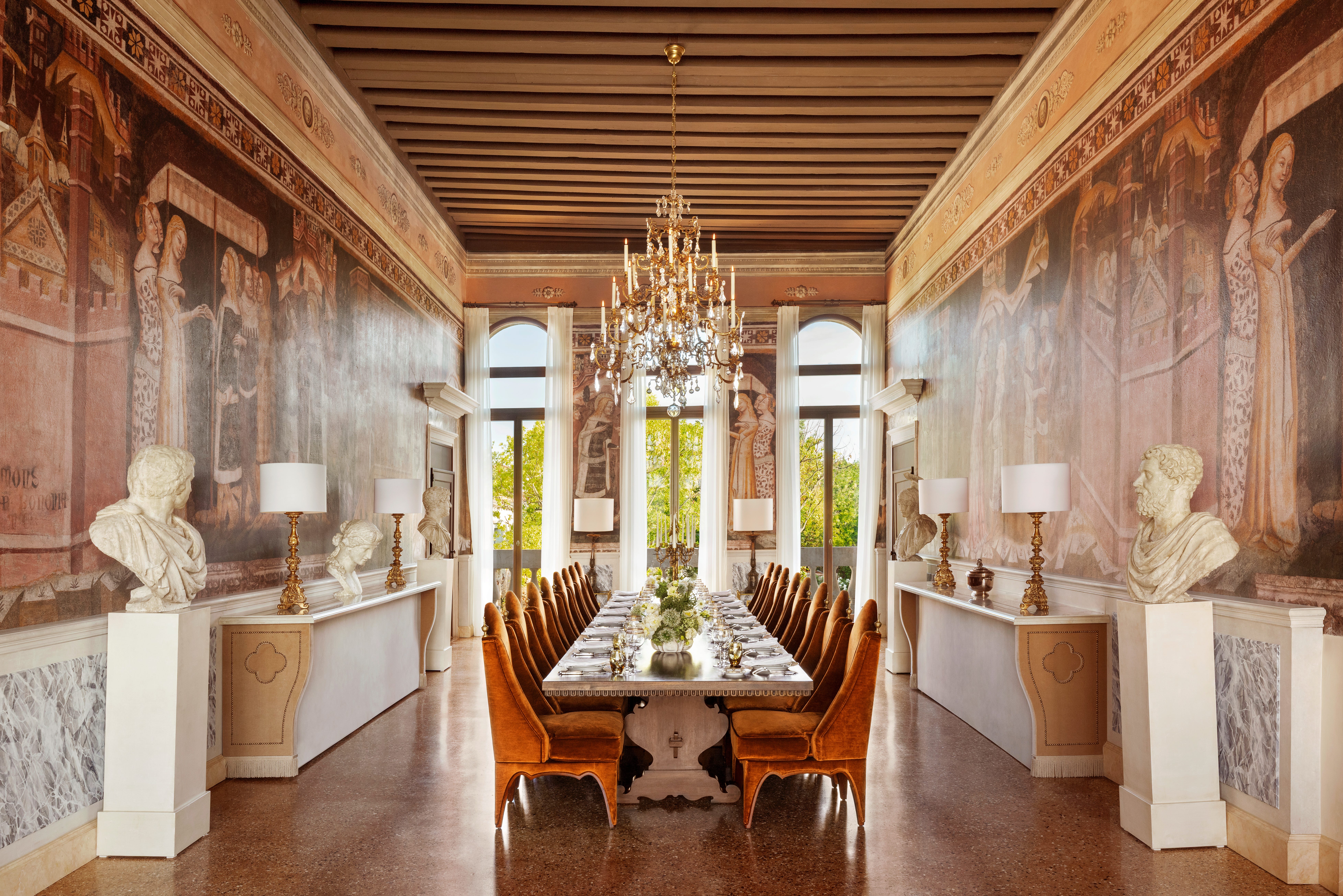
Anne-Laure Ollagnon is the CEO of Airelles, seven hotels and two private serviced villas owned by the family office of French media entrepreneur Stéphane Courbit. “We don’t really think about investment in terms of amenities or services. We think about emotion. Every decision starts with a simple question: will this create a memory that guests will still talk about years from now?” Some of what follows is visible. Most of it isn’t: “More staff than almost anyone else. More time to prepare a room. More freedom for our teams to personalize a stay. Better artisans. Better ingredients. Better training.” None of it necessarily survives a line-item review, and all of it is the product. Luxury, as she puts it, is not about abundance; it’s about “removing friction and creating moments that feel deeply personal”.
Generosity at that level is a function of who owns the asset. Airelles is known for its unreasonable generosity: an entire team dedicated to gifting, surprises throughout the stay, and kids’ programs built so that families are genuinely welcomed rather than merely accommodated. Sophisticated travelers recognize these as the signature rituals of the brand. These are also costs that may not have a traceable return, which makes them the first things to go under an owner who needs the margin. But the untraceable costs are the rate strategy. An ultra-luxury ADR holds only for as long as the guest believes the stay could not be replicated elsewhere, and signature rituals are what sustain that belief — which is why they compound rather than merely recur. Every season Airelles trains its teams not only to master service, but to understand what hospitality should feel like. Culture built this way takes longer than most capital is given to wait, which is why it so rarely survives a change of hands.
Investors tend to treat commercial performance and guest experience as competing forces. In true luxury hospitality, they are the same line. Irreplaceable real estate, capital willing to keep reinvesting, and a culture built around excellence don’t merely coexist with commercial performance — they are what makes it durable.
This is not a business for every investor, owner, or operator. But for those with the patience, and the genuine passion for creating an excellent guest experience, the reward is different: capital preserved in an asset that cannot be replaced, improved by each generation that holds it, and a business worth handing to the next. What all three conditions produce, in the end, is emotional resonance: the reason a guest returns for twenty years and tells everyone they know. Hospitality, after all, is the business of emotions.