

Badrutt’s Palace: A Case Study for European Family-Owned Hospitality
With Richard Leuenberger, Managing Director of Badrutt's Palace

There is a unique magic at the Badrutt’s Palace, and it’s not because of the fact that it occupies trophy real estate in one of the most special places in the world (St. Moritz), or that its mythology is a product of its 130 year history. The magic of the Palace, as it is lovingly called, is a byproduct of the staff who collectively and genuinely take pride in their work.
Under the leadership of Richard Leuenberger, the Palace employs nearly 700 people to operate 13 F&B outlets and163 keys during peak season. When I first met Richard, I could immediately tell that he innately understands hospitality and the art of taking care of others. Richard started in housekeeping at the Four Seasons George V, and has worked his way up through various hospitality functions in Europe, Asia, and the US. There is a Swiss precision to how he runs things at the Palace, which is almost required to manage one of the most logistically and operationally complex hotels I’ve come across in my career.
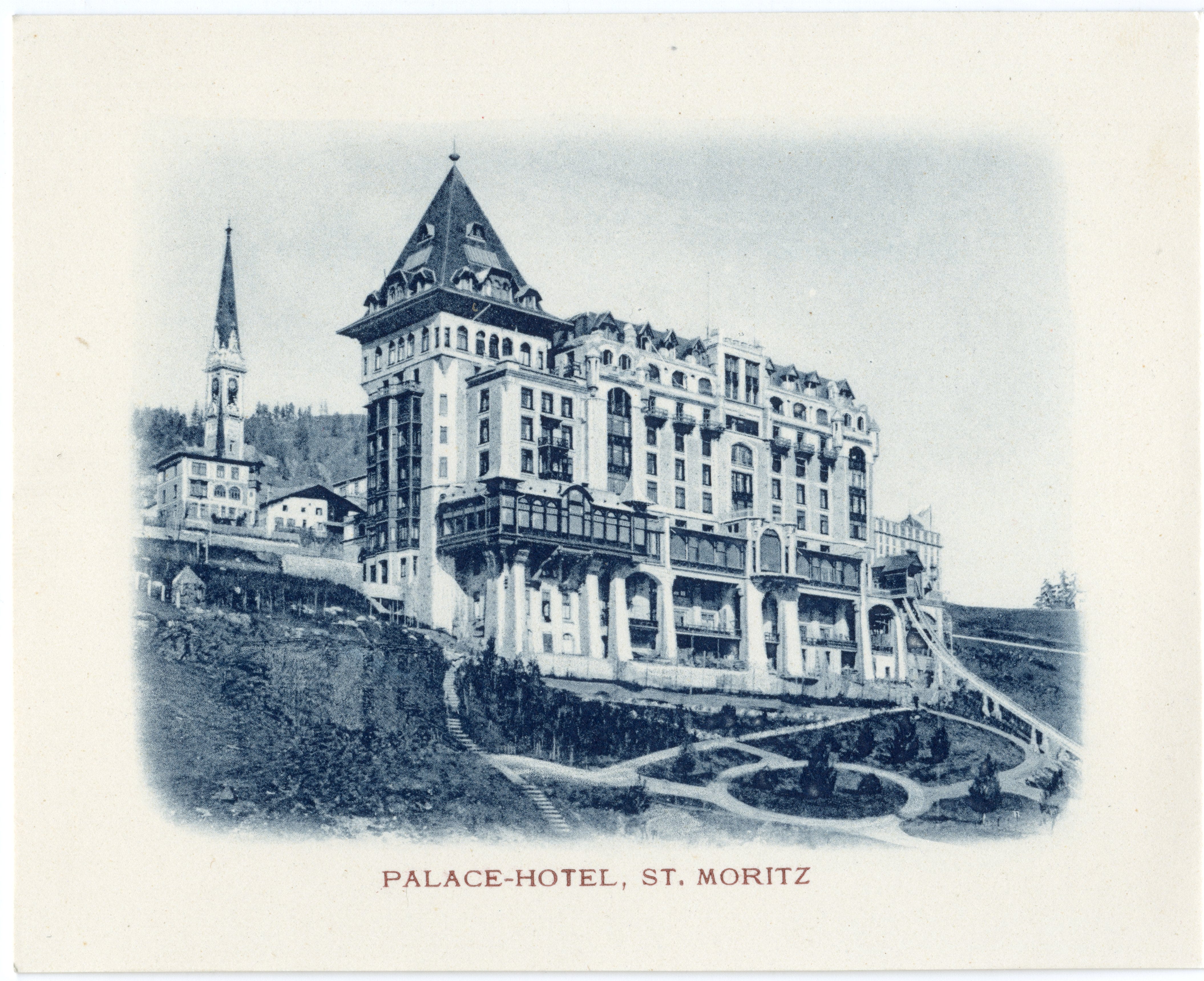
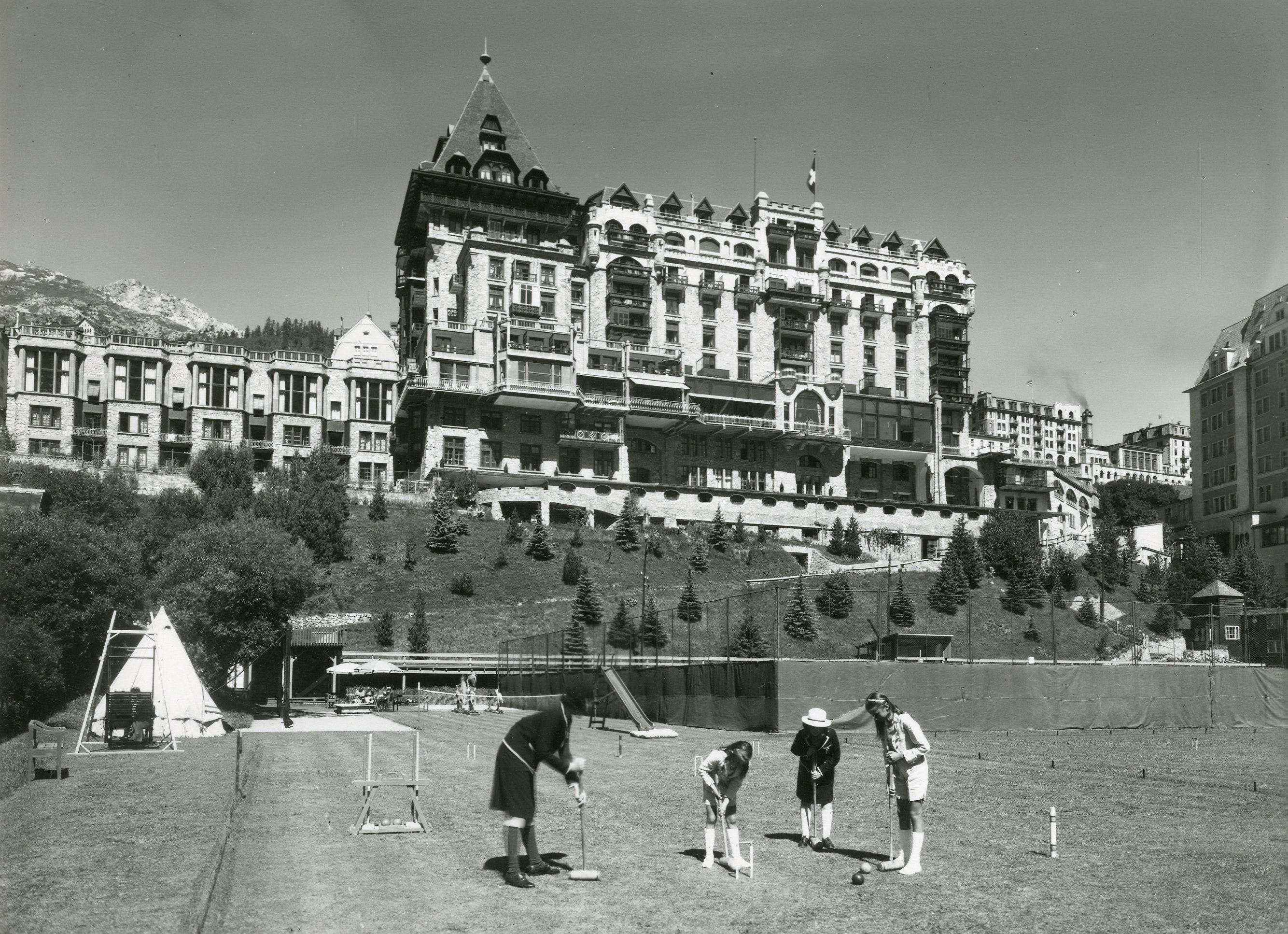
While the Palace is known for its anticipatory service and thoughtful guest entertainment, the history of the Palace is also a fascinating real estate story. Caspar Badrutt, the son of notable St. Moritz real estate developer Johannes Badrutt, acquired the Beau-Rivage hotel in 1884 and officially opened it as the Badrutt’s Palace in 1896. Since then, the hotel has expanded across five adjacent parcels connected by an efficient underground tunnel system. In addition to the hotel component of the overall assemblage, the Palace also owns 20 fully-leased ground-level retail spaces and over 500 apartment units of staff housing, creating a fully self-contained ‘resort within a resort town’. The most recent addition to the Palace is the CHF 70M redevelopment of the Serlas Wing, which houses 25 keys designed with families in mind.
Throughout the history of the Badrutt’s Palace, the hotel has remained family-owned and mostly independent, save for when Rosewood briefly managed the asset from 1999 - 2003. Today, Anikó Badrutt is the majority shareholder of the Badrutt’s Palace.
You started at the Four Seasons George V in Paris — and that happened around 9/11, when you were rerouted from New York. Tell me a memorable moment or lesson from that period of your career.
When I was graduating from school, I had worked an internship in New York, and I was interviewing with Four Seasons with the intention of going back there. That was a few months before 9/11. Afterwards they said, look, it’s going to be quite difficult with the J-1 visa you have — but we might have something in Paris. So I went to see them, and I had a great interview with Didier Le Calvez, the GM at the time. He said: if you want to know anything about hotels, you should work in housekeeping. I don’t know if that was out of convenience or actually meant, but in hindsight I learned all the basics I needed to start being successful in luxury hospitality. It was a good school.
What did housekeeping teach you that you keep with you in your guiding principles today?
A few things. Learning how a room is made is the basics of what a hotel is about. But what I learned at Four Seasons in general — because I worked there for quite a while afterwards — is how important standards are, and consistency of standards, and understanding that that’s the floor. That’s where you start. If that is not there, there is nothing. Then you realize that if you follow the standards and get into more detail, that’s where the real difference is made — in the detail. Precision, consistency, and detail is what I took from Four Seasons.
And in housekeeping, you understand how hard that job is — where people find appreciation, what motivates them. A lot of people would say you do housekeeping because you need to make money, but there are really people who are passionate about making a room someone’s home. It was my first leadership exposure to people who do this for a living. Back then, I was hired as a floor supervisor, but before I could get my first floor to supervise, I had to be able to hold ten housekeeping credits myself — work a week cleaning ten departure rooms a day, myself. That was a very important lesson: to understand what the job actually is. To this day, I think Four Seasons has the most consistent approach to standards, to sequences of service, to the basics of the business.
You also started at Badrutt’s Palace in 2008 as Director of F&B — then took a break and came back, and we’ll talk about what you did in between. When we met, you mentioned that at peak season Badrutt’s Palace operates thirteen F&B outlets, which is insane for one hotel.
It’s insane.
What did that role teach you about hotel F&B management? Hotel F&B is notoriously difficult to get right — a lot of people see it as a cost center, something you have to have just to have it. But it’s clear that your outlets are a focal point of the St. Moritz community and a huge part of the culture there.
When I first started as F&B director here, I came in with the understanding that those restaurants were to some extent an amenity — but they were extremely popular, with people from everywhere. And I realized it’s because those concepts grew organically. There was a purpose and a reason why Chesa Veglia was bought back in the thirties and how it was operated. It was always very important that these restaurants kept their identity. We would put a layer of the hotel’s values on top — the processes, the things we had in common — but everything else in the operation was quite different. Everything from design to menus to music had to be truly the identity of that restaurant.
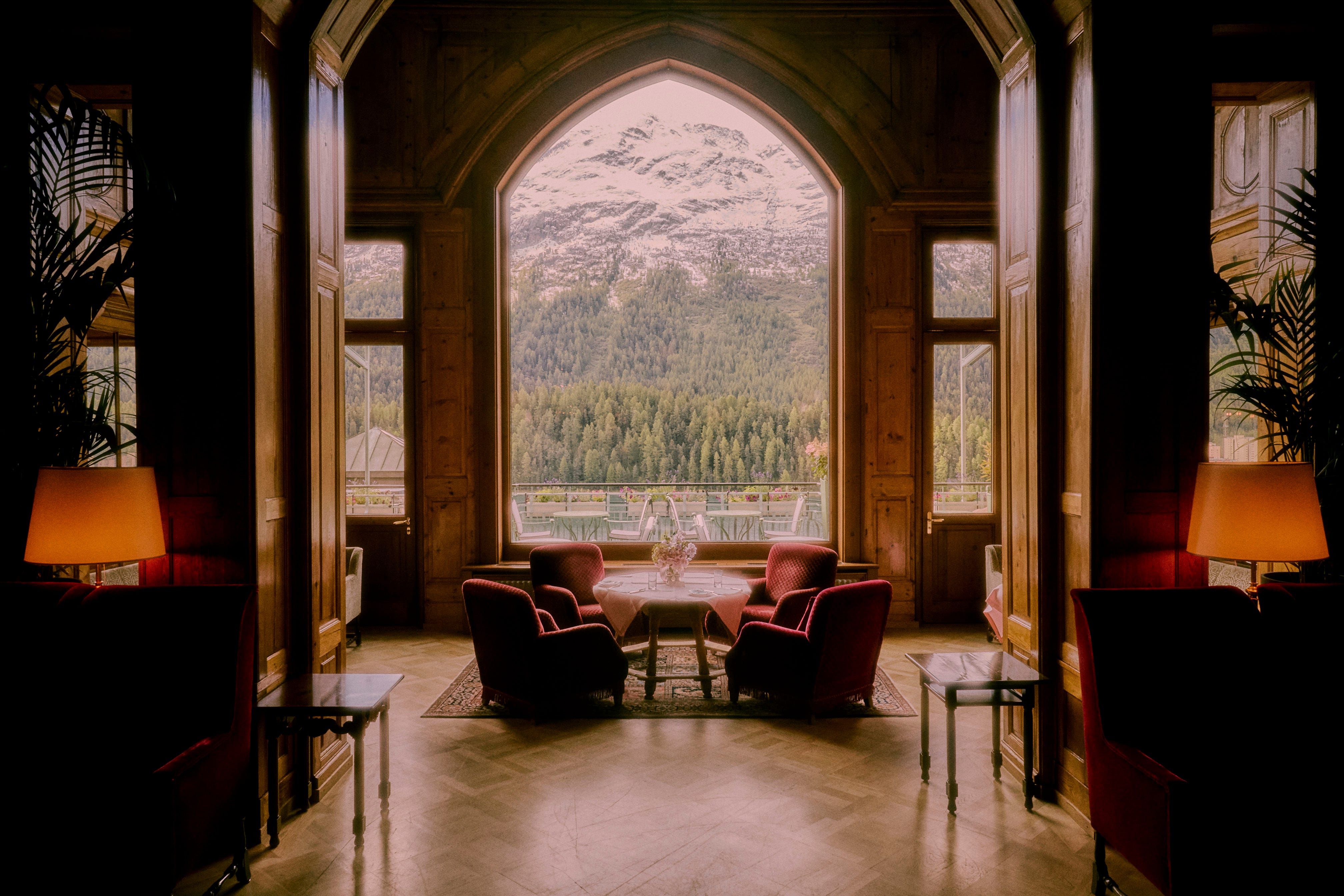
When I first came in, I struggled to understand the business case. I could see a P&L, but I didn’t initially see — is this even profitable? Then I realized: yes, it has to be profitable, but some have to be more profitable than others, because not all the restaurants have the same purpose. The Grand Hall in the center of the building is a restaurant and a bar and a lounge, but at the end of the day it’s also the social energy of the hotel. Since COVID we’ve operated it with reservations — we don’t really take walk-ins — because we want to be in control of the space. It’s that important to how the hotel feels. Everybody used to call it the living room of St. Moritz. It had the big window, all the elements everyone would want to see and photograph — but more importantly, it was where you would go when you’re not in your room, and where you’d start seeing and interacting with other people. We realized the value of the experience is not just the room or the food on the plate — it’s the feeling you get when you’re there, and the people you’re around. That’s what leaves a memory behind.
Operating F&B in that hotel requires good reporting systems, good reservation management, and understanding how guests travel through the house. Back then it was quite basic, and the most reliable system was the concierge and the restaurant managers themselves. The concierge would have all the reservations in a book, and if a guest had booked Chesa Veglia but also Matsuhisa and another restaurant for the same night because she wasn’t sure where she wanted to go, he would stop her at breakfast and say — where are you actually going tonight? That was a good interaction, and it showed the guest: these people are paying attention. Now we have systems, such as a guest experience team doing the digital journey and itineraries — but you need those systems.
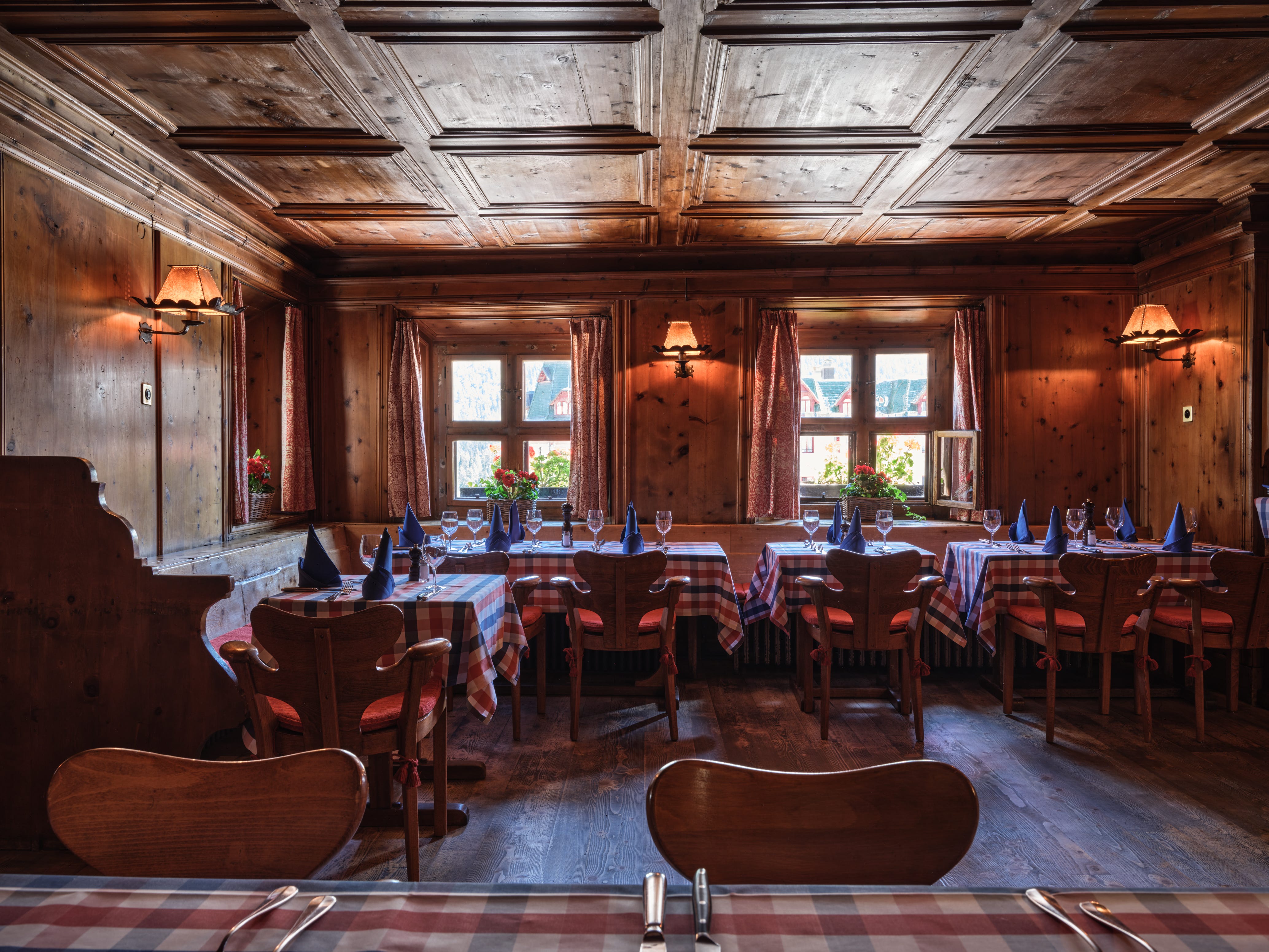
What was always important is that these restaurants are coherent, but it’s not sameness. You don’t go into Matsuhisa and get the same thing as the next restaurant. You should get great service, and the basic values of the hotel have to be felt — we’re quite obsessed about those. If you go to a Matsuhisa in Mykonos versus at the Palace, although the food doesn’t change, it’s still very different, and I think it’s because ours is connected to those values, and to the structures — the meetings, the time we spend together. All the restaurant managers have true responsibility and accountability for their restaurants, including the P&Ls. That’s a different relationship from an F&B director saying “this is the guy doing my all-day dining and my breakfast,” where it’s all one grey mass of food and beverage. That was never the case in this hotel. And I can’t claim I created it — it’s always been this way. We’ve just tried to sharpen it.
We added Paradiso, which we didn’t have before, and that was a good exercise in seeing how it fits in. After COVID we basically decided: this ecosystem of F&B is great to have. It’s very expensive to have. It’s a lot of operating risk because there are a lot of employees involved. But it’s unique — it’s a USP — and we should protect it as our ecosystem. If a guest books the Palace, he gets access to those restaurants; he gets access to the destination. If he’s not in our hotel, he might get access — but he also might not. We made a very conscious decision: we want to operate amazing restaurants, but connected to the hotel and its value proposition.
I love what you said about the Grand Hall, because that space is a lot of the mythology of Badrutt’s Palace. I also want to talk about what happened between your two tenures. You were at Ritz-Carlton in Asia, overseeing twenty-five hotels. I’m sure you saw hotels that were struggling. When you walked into a struggling hotel, what did you notice first?
One of the things I would always ask first: what are your open management positions? Because it usually tells you a lot. The numbers — the P&L — will tell you what is broken. But the why you usually find in the people. A total giveaway is key management positions that haven’t been filled in four to six months. As a VP of operations, I would speak first to the general manager and see what they think is wrong with the hotel, then see how much alignment there is between what’s seen from the general manager’s seat and what’s seen from the restaurant manager’s or F&B director’s seat. If there’s misalignment, it’s very easy to find things.
There’s no single common thing. You can see it in the numbers immediately — if the STR wasn’t where it should be, or huge staff turnover. But a good indicator is alignment in senior management, and open leadership positions are a good giveaway. Some of my colleagues say you can always tell by whether a light bulb is out, whether people are paying attention. But go to Japan — there will never be a light bulb out, and hotels can still perform very poorly.
What usually causes fully occupied hotels to be not profitable?
If a hotel is full and not profitable, it mostly has to do with the room mix and the guest mix. You’re controlling what type of business you want in, and that decides your other types of spend in the hotel — but it also determines who the other guests are. If your mix is not correct — if you have periods where you basically need to pack the hotel full of groups, and you don’t have a good group journey in terms of putting individual guests next to group guests; if you start making corporate contracts that are absolutely unprofitable from the beginning, just so you can show your owners you have revenue — these things are more common than one might think. And the profitability comes from the rooms. That’s what drives the business, at least in Europe for sure, with labor cost the way it is.
And in Asia?
In Asia, F&B is more profitable due to labor cost and food cost. There are hotels that do fifty-fifty — literally fifty percent of GOP from rooms and fifty from F&B — which you will never see in Europe.
What do you think Asian hospitality gets right that European grand hotels could learn from?
The service itself is team-dependent — there’s an understanding of collective success that doesn’t exist the same way here. I remember when I first started there, people would set goals for their department, and I was used to setting goals for individuals. There was always a drive to bring it back to the group. Initially I thought it was because nobody wants to be accountable. But the reality is it’s about the collective idea of serving. Everybody feels they are participating equally, even if their contribution is from the back of house or the front of house. This understanding of a common goal to serve a guest is much more strongly embedded in the culture.
In Europe you have more individuality in service, and that’s also why you have more inconsistency. Take Italian hotels — Italian hotels are fabulous. But you can have a fabulous experience or a terrible experience based on one person serving you. That will rarely happen to you in Asia. We’re trying to learn from it — as a group you can achieve much more. We have systems, like how we handle complaints and glitches, where people see they can have an impact on a guest who had a poor experience in one department — somehow we all feel responsible for solving it. There needs to be more moments like that in the daily lineups and briefings, where we talk about what we can achieve as a group. In Asia that’s just in the DNA, whether you go to Bali or China or Japan. That’s the one big difference, I would say.
I want to switch gears and talk about the Serlas Wing. Before we started recording, we talked about how you’re reducing the number of keys, which I found fascinating. When we met, we toured both the main structure and the Serlas Wing, which is more contemporary — Loro Piana upholstery, if I remember correctly?
Yes — and it’s the designer who does all the Bulgari hotels, Antonio Citterio. The furniture is B&B Italia or Flexform, mostly designed by him. The style is very contemporary, so yes, it’s very different.
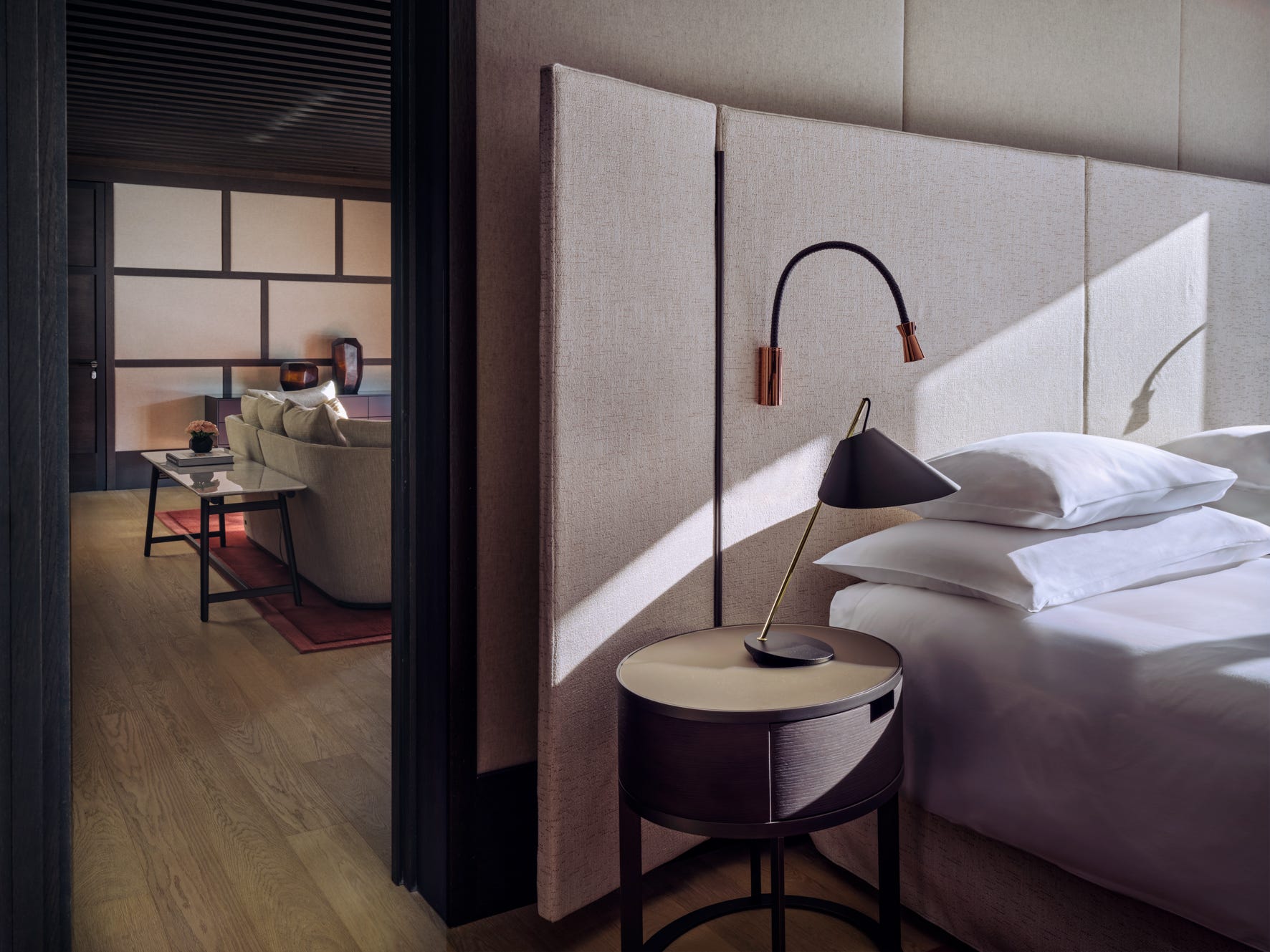
Very Milanese. That wing took seven years, and as we discussed, planning permission and construction have an additional layer of complexity up on the mountain. Walk me through the process behind the Serlas Wing development.
The Serlas Wing was an opportunity, because in its place there used to be a staff house, for thirty years. We knew this was prime real estate. It already had a kind of tunnel connecting to the hotel, but it couldn’t really be renovated. So we figured out how to get better staff housing — I’m sure we’ll come to that — and a permit was put in to build residences, actually. That was the original permit, before I even started at the Palace. The original thought was: build it, sell all the apartments, and then we have capital to invest into the hotel.
When I started with this project there was a basic design, and the law changed twice while we were in the planning phase. I suggested to the board that instead of selling the ‘family silver’ when we were doing quite okay, we should address a demand we were hearing from guests that we really could not service through the hotel, because of the limitations of the main building’s structure. Then we hired Antonio Citterio, who has a very deep connection with St. Moritz — his daughter was born here, he has a house twenty minutes away. This was just before COVID. He helped me address what I originally wanted to achieve: have these multigenerational families continue what we’d been building the last couple of years, with a room product and an experience that fits their lifestyle better than the main hotel does.
If you wanted rooms here over Christmas and New Year’s as a family with two kids, you would get two forty-square-metre rooms. You’d go out of the room, into the elevator, out into the lobby — and there you are, fully exposed to the craziness, the black tie, everything going on. A lot of our guests said: this is all great for New Year’s Eve, but then it’s a little too much. These are guests who might typically stay in an Aman, or a Capella, or a Patina. They said: we like the action, we like the social life, all my friends are here — but I also want to go home. I don’t want to sleep in the nightclub.
Having that building next door meant we could design a space people would spend more time in. More square metres, bigger living rooms, the ability to go in and out without being seen, without going through the lobby — but still not an apartment, an Airbnb, a residence. We consciously decided from the beginning, and I told this to Antonio Citterio: I don’t want to build residences. Residences are perceived as a secondary product in terms of service, and that’s not what we do. Full service, full Palace keys. The guests who come here expect exactly that, and it needs to be staffed for that, and the business model needs to work. That was the original brief.
But we already had a construction permit submitted for a completely different building. So we needed to go back and convince the commune that what we were now proposing was much better — the volume is exactly the same. I took Antonio Citterio to the building commission of the commune and we made a presentation. They’re full of architects and building people. Going to them very actively, making them part of the project, making them understand: this is the center of the town, this building will change the center of the town — and selling them that it would increase the quality of the street in general by putting a really fine architectural structure there.
Then bringing on the right team to do the planning was a huge task. The architect said: I only design in BIM. That sounds normal if you’re building a skyscraper in Shanghai, but not for a five-storey building in St. Moritz. So you need to find planners who know how to work in BIM, builders who know how to do that. We had a project manager on our side in charge of the planners, and a building-site management company. But we couldn’t do what you’d call total contractor management — sign off and say here’s fifty, sixty, seventy million and it cannot cost more. What happens a lot when you build luxury hospitality is that the drawings four years out are not precise enough for a total construction company to give you a good quote. You would just lose control of the quality. So we went the complicated route: project management, building management, different supplier packages depending on what it was — fit-out, part fit-out, and so on. And we’re not allowed to build during the season, so you have to build off-season, which made the project more complex and of course more expensive.
Can you share how much was invested to build the Serlas Wing?
It was seventy million, for twenty-five keys. But it has retail on the ground floor, and a three-storey parking structure underneath — and building into the mountain, holding up the entire Corviglia mountain while you do it, has a cost. We didn’t have much choice; there’s legal compliance — to build a building like that, you need to build parking.
In terms of financing and the business case: to get it started, especially during COVID, we said, look, we don’t want to sell the building, because we want to use it to help our operation scale, and to get the right mix of product — with a long-term vision. Not “this has to return within seven years,” but knowing we’re going to hold this asset for a very long time. So if we were going to bring in partners to help finance it — which eventually we did — we needed to do it properly. We sold three keys to three different individuals. They’re guests of ours, and they said: I want to buy it, but I’m really not there all the time; I don’t want to be involved in the design, and I want you to operate it so it’s successful for the hotel. The design is identical to the other keys, which makes it easy to maintain, manage, and move in and out of inventory. That secured part of the financing. Then we had bank financing, which is great in Switzerland and obviously we presented a business case showing it would make enough money to pay it off.
I had no idea you sold three of the units — so you own twenty-two, plus those three. In terms of room mix in the Serlas Wing, are most of them suites?
Most of them are suites. The rooms face the mountain at the back — the corner rooms; the middle of the back is mostly building core, the tech, the elevators. The back corner is mostly the connecting room that turns a one-bedroom suite into a two-bedroom suite. Through the center of the building, on four of the floors, you have a double room which you can connect either way. So mostly suites, but very intelligently designed to connect — some families take a whole floor, and we can connect pretty much the whole floor and key off the elevator.
A really important design decision, which I struggled with for a couple of weeks and discussed a lot with Antonio Citterio: the original building had a lobby on the ground floor as the main entrance. The previous architect’s idea was that somebody would check in and then be brought across the street or through the tunnel. Antonio said: we need to make sure the perceived main entrance to this building is actually on minus one, not the ground floor. So he designed a lobby that starts on minus one and is triple height — so that from the moment you leave the elevator in the main building and cross to the other side, there’s always something happening, a place to go to, with natural daylight. That was one of the best decisions we could have made. It feels like you’re walking through a hallway to get to your room — it doesn’t feel like you’re going to a completely different building, which is exactly what we didn’t want. We wanted people to feel part of the hotel.
Connecting Chesa Veglia was the last thing on top. During the project we studied the restrictions we had with the mountain and realized it’s not so far from Chesa Veglia — there was an opportunity to break through on that side. I often say I could have skipped the building and just built the tunnel and it would have earned me huge brownie points with our guests. I didn’t think it would have that much impact, honestly. But the guests are loving it. First, returning guests feel: these people are really reinvesting the money. Yes, I’m paying more than last year, yes there’s inflation — but they’re putting the money back in. Guests see it. And they love going up to Chesa Veglia when it’s minus twenty outside — even people from outside valet park at Chesa Veglia, have dinner, and then come down to the bar through the tunnel. It’s a really special journey.
We’ve talked about multigenerational guests, and I think it’s a genuinely interesting trend — millennials and soon Gen Z are having families, so you need more space for younger families, and that’s only going to continue. Beyond ample space, intimacy, discretion, and the optionality to be part of the mix when you want to — how would this generation of travelers define luxury? What makes a luxurious guest experience, from a design and experience perspective?
From a design perspective, privacy and space are two very important elements, as we discussed. In room design itself, I don’t think things have drastically changed, honestly — except working spaces. In a traditional room you’d have a bed and a place to sit or put your clothes on, but not really a working space. That has changed; people work always and they’re highly mobile.
But in designing the whole experience, what has changed is how they interact with the hotel — when they choose to step into a human interaction, and what the expectation is towards that interaction, and how the digital access has to work. They expect full digital access to all services at all times, and it needs to be super responsive. That’s something we had to invest quite a lot in. But then when they step into the lobby or go to the concierge and want the human interaction, it has to be very personalized and of extremely high quality. It actually takes a lot more to earn the trust of an UHNW 35 year-old than a 55 year-old. You can be very good at the concierge desk, but you also need to be good digitally, and that trust can be broken much more easily than before.
Before, loyalty would build up — if you had one great interaction, something really memorable from the lobby or the concierge or breakfast, that was kind of good enough. Now: you have a great breakfast experience, your waiter gets you, they know what you want — and then you go on WhatsApp with guest experience to arrange a trip to Paradiso, and that is terrible. That is worth exactly as much in terrible as the other was worth in great. That’s new. Before, if a phone call for a reservation didn’t feel quite right, it was okay — you’d come down and speak to someone. That has shifted.
This summer we created a new department — six people on shift, nine in the department — who do nothing but pre-arrival itineraries and WhatsApp. Hotels that want to do well with these guests will have to perform on both sides, and think very carefully about which human interactions are really unique and how to ensure their people can deliver them. We took all that reservation volume and pre-arrival communication away from the concierge — because we wanted the concierge to do their job. When they’re there, they can really be there, not half in an email.
That makes a lot of sense. I was reflecting on my recent stays where there was a pre-arrival person — not “download an app” or “fill out this form,” but an actual person asking what I wanted from the stay. And I think the reason this generation has such high expectations is that it’s incredibly exposed and has seen the best of the best. When one thing disappoints, you feel it wasn’t worth it.
Wasn’t worth it — and you’re going to talk about it. But what’s also surprising: if we have a group activity, they love it. They’re the first ones there, engaging — even a yoga class. They have a great time, because they’re looking to put themselves in an environment with five or six people where the likelihood that something interesting will happen is very high. The same thing happens in the Grand Hall.
The Hall has evolved over time, but its purpose has never changed: it remains the social heart of the hotel. Everything is carefully considered, yet the design should never become the main event. This winter, the new bar will add a more intimate layer to the space, but always in service of the same idea: bringing people together and encouraging conversation and unexpected encounters. We are not against design; we are against design becoming the reason people are there.
When people talk to me about what ultra-luxury is, the first thing I always hear is Aman. I like Aman — personally I’m a big fan. I like being somewhere a little off, fully immersed in the destination. But that’s not the kind of hotel we are. We are a highly social luxury experience, and one that’s not scared of being that. You can get it wrong much more easily once you start making very strong decisions about music, about lighting — once you start making decisions like that, you get opinions. It’s not the standard answer when you ask what an ultra-luxury experience is — people tend to point to a more controlled environment, an Aman or a Cheval Blanc, where the experience is very much designed. I’m not saying we’re free-flow — we have a very well-designed experience — but it’s a very social experience, and it has that human element of the other guests. That makes it difficult to manage, but also interesting.
I’m remembering a moment in the elevator when we ran into a guest — clearly a repeat guest, you greeted her by name. I noticed an interesting balance: Swiss formality, but warm and familiar. That balance is really hard, but it seems like the modus operandi for you and your staff. Tell me about your philosophy on managing the relationship with guests.
It comes down to a basic understanding of service — and this is genuinely difficult with people joining the industry now. When I joined, I felt: I like to serve and be of service. Nowadays the perception — sometimes from guests, but mostly from people joining the industry — is that serving puts you below somebody else. My philosophy is: we are here to show what can be done in luxury. We’re proud of what we do. Nobody else will do it the way we do it. This is who we are — this is how we’re defined. The guest is a guest — they’re coming into our universe, and we’re going to do the best we can to offer this special service, this special experience. If you have that mindset, then — as you say — you can be friendly, but you won’t be friends. And you need to have that.
Things like uniforms make it easier in a traditional hotel. When somebody steps into the doorman’s uniform, they step into a persona. Sometimes I catch people checking their uniform, making sure the buttons are right — it tells you something about how they see themselves. It creates the formality and discipline required not to get too close to the guest. Some guests will want to be very close to you — but you have other guests.
I remember telling a new F&B director a couple of years back: your challenge is to go to the breakfast room and speak to the guests — and I give you a limit, you can’t stay at a table longer than two minutes. He said, why? Because if I go to one table and speak to them for five minutes, I have four other tables thinking: why didn’t he speak to us? You have to have that balance. As a GM, even more so — you want to be of service, but you’re also being observed a lot.
And when you only have two minutes, you have to listen — and not listen to respond. You listen to understand. You give information that is concise, and hopefully you learn something, so when you see them again tomorrow, you know more. A waiter who notices what a guest had for breakfast — yes, we have a protocol, but most of the time they’ll make an effort to be that person’s waiter again, because they’ll provide better service, and ultimately that’s the reward. Whether you’re a GM or a waiter, the reward is a happy guest — seeing a guest come back and building that relationship is the greatest thing you can have.
Speaking of talent — the type of guest that comes to Badrutt’s Palace is demanding, with very high expectations. How do you attract and retain staff who can perform at that level? Good staff is hard to find — I think most operators in Europe would say that. Tell me about your employment philosophy.
We have very strong family values, which you feel immediately when you start in the hotel. Part of it comes from staff coming back for many, many years — you always have that base of people carrying your culture, and it is very strong. For somebody coming in, it’s refreshing, because it doesn’t really exist in many places anymore. Then there’s us as an employer doing what we say we’re going to do: we pay you on time, we give you a great contract, and we make the employee journey something worth aspiring to. Nothing in our employee journey is on paper — everything’s digital. We have our own Facebook-type app; they have access to their own files, their scheduling tools. For the generation that wants to do most of the jobs we offer, they don’t want barriers; they don’t want it to be difficult to work here.
And then there’s the culture that feels safe and supportive, embedded in values, with people who have stood the test of time — showing that even after thirty seasons you can still be engaged, still be happy, and still care about doing something of super high quality.
Then there’s seasonality, which everybody always says is very difficult. In winter season we have six hundred and ninety employees now, and in summer four hundred, so you have to recruit every time. But we feel we’ve hit something quite good, because for people who want to work in hospitality at twenty-two, twenty-five — it’s not a huge commitment. You’re committing for six months. That’s it. My observation is that the level of commitment at that age is very different from ten or fifteen years ago. People want to acquire a skill and an experience, and then have a different experience. Committing to something for five years is more difficult now. I see it even with younger friends — “let’s have dinner on Thursday” is already a level of commitment that’s sometimes difficult to get. Maybe it’s a bit of a stereotype. But a season has a beginning and an end, and that creates a different type of energy than something repetitive every day. We go in and say: there’s this event and that event, we’re doing all these exciting things — and in April it’s finished. We close the door and go home.
It’s like a sprint. A marathon with a beginning and an end.
Yes. And even so, the average length of employment, even for seasonal employees, is eight and a half years — a long time for a hotel like ours. It shows people get hooked on this thing. I’m hooked on it — opening a hotel twice a year is super exciting, that bit of adrenaline, doing the programming, seeing if it works out.
Do you have housing on the property for staff?
The housing thing is a whole other world. We have five staff houses — over five hundred units total. Two of the buildings close to the hotel, by the big market in town, have a hundred and sixty-three units that were designed like a three-star hotel: nice studios with kitchens. In season, employees can book them themselves — they get a QR code to retrieve their key automatically, and they have the same Wi-Fi and TV you’d have in the hotel. Off-season, when we’re down to four hundred employees, we rent them out as self-check-in hotels on Booking.com — they’re called Townhouse St. Moritz — and our year-round housekeeping does the basics, to offset some of the cost of that infrastructure.
If you wanted to open a hotel in St. Moritz, it’s almost impossible — you cannot find housing for the staff. The market is limited by the land available, and once you have the land, it’s limited by where your staff is going to sleep.
I also want to talk about the fact that Badrutt’s Palace was once a Rosewood hotel — it returned to independence in 2003, a path no comparable European hotel has taken. You arrived five years after the de-flagging, in 2008, but you’ve also worked for properties flagged by major brands, so you’ve had both sides of the experience. What does a flag genuinely add to a hotel like Badrutt’s Palace, and what makes independence worth it?
You have to look at what time it was a Rosewood. What did the world look like in 1998, 1999, and why would you want a brand? Back then you could say: you get immediate distribution, structure, exposure. Then ask yourself, in 2026, which of those elements are really relevant for a hotel that has been here for a hundred and thirty years? Is it really going to give me better distribution? Probably not — distribution has changed in general. Better marketing? Probably not — they’re also marketing fifty other hotels. So you have to see what the benefit really is. I think a lot of hotels are considering stepping out of a brand, or not flagging from the beginning, because the asset is special and there are other ways.
I can put on a different hat — as executive committee member at Leading Hotels, a company that has transformed tremendously over the last fifteen years. When I first came to Badrutt’s Palace with my Ritz-Carlton and Four Seasons background, I looked at my P&L and said: what is this? That’s Leading Hotels. That’s a lot of money — let’s get rid of that. That was my first reaction. Then I realized that back then it was a distribution organization. That has shifted. Now it’s a company whose goal is to provide independent hotels the tools to stay independent. That’s the purpose of the company, and for me that was a more compelling reason, because there are things I truly need help with. The digital assessment: how do I optimize my website, my booking engine, my GPT exposure? Leading Hotels might not have the skill to do all of that themselves, but they have the skill to identify the right supplier for the size of hotel I am and the markets I’m talking to. It’s more of a consultant on my side.
I don’t want to go against the chain hotels here, but if you’re an UHNW traveler who wants to go to a special destination in Europe, what is the compelling argument to go to a major flag versus a Villa d’Este, for example, if you want to see Lake Como? The argument that the experience isn’t quality-wise good enough doesn’t really exist anymore — a lot of these hotels have the standards, the LQA standards, the level. Unless I go somewhere completely remote and I want to make sure my water is safe and my food is good — then okay, I go to a brand. But if I want to truly explore, I would rather take the risk — at least I know it’s a great location, and local people operate it. That gives me better excitement and confidence. But it’s different for every person.
I do think a flag brings you distribution to a certain extent. But the loyalty programs, as much as they can be seen from an owner’s perspective as something good — I think they’re terrible when it comes to true luxury. I think they’re ruining luxury completely. I’ve seen cases where new hotels receive horrible reviews just after opening. This is because half the people are there with points, and therefore the hotel has to jack up the rates so that after the points they still make enough money. It’s not a good system for luxury.
There are other interesting concepts one should really look at over the next few years in ultra-luxury. Look at companies like Hauser & Wirth with Artfarm — I think they have something. To a certain extent it can be like timeshare, but on an extremely high level, with a very high service component. Somebody will come up with something in that direction — you can travel to incredible locations, have incredible service, but not be in a hotel. The piece that was missing before was technology, and now it’s much easier to do all of that.
Other than that, staying independent for a hotel like us has lots of advantages. As an operator, the way we make decisions about investments and operations — we can be much faster. And we need to be. If I go into this coming winter with the same strategy as last winter, I will fail. Maybe not this year, but over the mid-term it will be a disaster. Moments ago, I had a meeting about New Year’s Eve and the entertainment for the week before and after — we’re selecting people. We’re building a new bar in the lobby with a designer. We’re redoing Matsuhisa for this winter with Martin Brudnizki — it will be done by early December. We have those twenty-five rooms. We would never be able to move at this speed if there were more people with opinions about how it’s done. It’s a huge competitive advantage, actually.
When you say shareholders — I read this story that because [Hansjürg] Badrutt didn’t have an heir, he left his shares to the hotelier who ran the Palace, who I believe still sits on the board.
Yes — Mr. Wiedemann. Mr. Badrutt has passed, but Mrs. Badrutt is still very much alive — she’s 96. The Delegate of the Board, Mr. Wiedemann, will inherit those shares, but he has not yet. She still holds them. But the direction the hotel is taking is agreed on: the legacy of the hotel is the purpose of running it. We want to make sure it’s still here in a hundred years. Having inherited it that way — they didn’t have children, and they wanted to make sure it continues the way it does now. We have a governance structure, but the belief that an asset like this can only keep gaining value if it stays relevant — and, with that, keeps investing — is powerful, and at the end of the day it also works for the owner.
Maybe the learning the Badrutts had in the eighties is: once you lose the relevancy, you lose the market positioning, and with that you lose everything. If you want to play in that league, you need to keep investing with discipline, and you need to keep listening to your guests and making sure that what you bring to the table is something people want to experience. I’m very fortunate as an MD to work in a hotel that thinks this way. But I think it’s the future for many assets that want to operate as ultra-luxury.
Was there ever a time during your tenure that an investor made an insane offer to buy Badrutt’s Palace? I’m sure there must be stories…
There are stories, but I can’t tell you anything, unfortunately. I would love to. When you have a hotel like this, there’s a bit of a myth around it. Ask somebody to do a valuation, get all the professionals in — the value based on earnings, based on building value, and then what somebody is willing to pay for it: two very different things. Any time something happens in this hotel, there are immediately rumors. We bought Paradiso — we did the closing three weeks ago; they were a tenant before. If I told you how many phone calls I got about which Qatari or Greek had bought it — it’s crazy. But it’s also nice. It shows people love talking about the hotel; it shows the hotel is relevant to them. There are lots of guests out there who love this hotel and would probably buy part of it just so it stays the same — so it doesn’t change its purpose.
Because, as you know — I read your blog, but also from your personal experience — ownership very much decides the long-term success of a luxury hotel. Across all the different hotels I’ve worked for, even if ownership doesn’t directly interfere in operations, it sets the tone of where you’re going. If somebody owns it with a seven-year cycle in his head, you’re not going to get the same thing. It’s not possible.
I want to end with a final question about your philosophy. What’s fascinating about Badrutt’s Palace is that it’s clearly a living, breathing entity and it has mythology. The scale of what you invest back into the property after every season is quite unique. So: what is your fundamental philosophy behind a heritage hotel that has maintained commercial success and cultural relevance over this many years? Why does Badrutt’s Palace remain a case study for European hospitality?
Initially, when somebody builds a hotel, it’s an idea. And the idea of building a palace in the mountains was by itself something crazy back then — but it’s also what inspires guests and people to learn about it. The Palace shows that heritage and history can be maintained and kept relevant today. It’s not really the building that matters, but the idea behind it, and the kind of experience people are looking for. The imagination of the guests is driving what we do in the hotel. The commitment to investing continuously, to strong people, to independent decision-making, and to commercial discipline behind it — I don’t have a secret recipe, but it has a lot to do with preserving something special and keeping it relevant in the present. And the vehicle behind it is the people. There are so many memories in here for people — that keeps guests coming back and keeps the myth going. It’s always what you remember that determines the quality of your experience. So we live a lot from people’s memories — and from creating new things every season.
Thanks for reading this interview. For more of The Stanza, subscribe to the newsletter and follow on Instagram.